
Imagine your business not just keeping up, but truly thriving in the fast-paced world of 2026. The landscape has changed, and local businesses marketing is no longer about flyers or word of mouth alone. Now, it’s about using proven, data-backed strategies that help you stand out in a crowded digital space.
Are you ready to see your local business grow? In this article, you’ll discover eight actionable local businesses marketing strategies. Each one blends innovative digital tactics with real community connection, giving you a clear path to stronger results.
Dive in to find out exactly how you can capture attention, build trust, and drive real growth for your local business in the years ahead.
The Evolving Landscape of Local Business Marketing in 2026
Navigating the future of local businesses marketing in 2026 means keeping pace with rapid shifts in how customers search, shop, and connect. After 2025, expectations have soared, and your business needs to be where your customers are—both digitally and physically. People crave convenience, personalization, and authentic connections with the brands in their neighborhood.
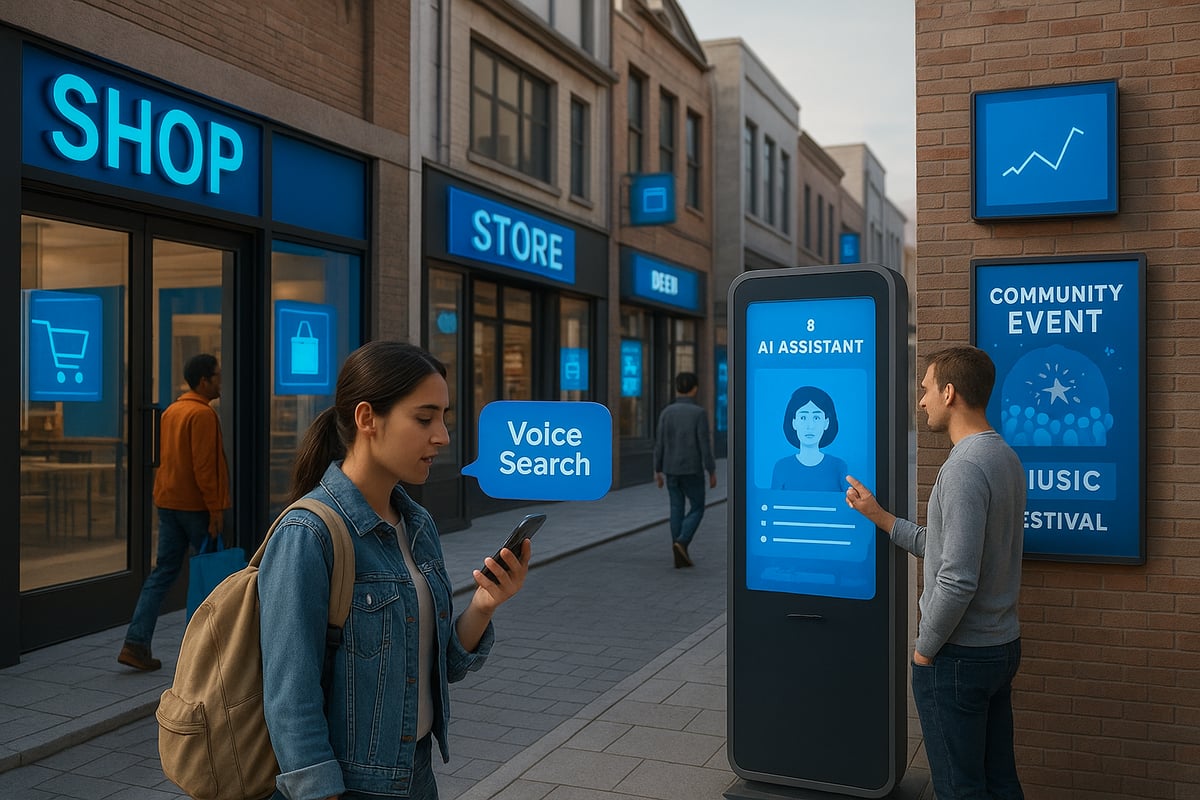
Let’s start with how people find local businesses today. Mobile search is king, and voice search is quickly catching up. Did you know that a whopping 76% of mobile local searches lead to a same-day visit? Customers expect instant answers—think “best pizza near me” or “open hardware store now”—and they’re using smart devices to get them. This surge in convenience-driven behavior means local businesses marketing must be optimized for both mobile and voice queries to stay visible.
But search is just the beginning. Artificial intelligence, automation, and data analytics are rewriting the rules for local businesses marketing. AI chatbots answer questions 24/7, review requests go out automatically after every transaction, and real-time local offers pop up when someone walks nearby. This isn’t science fiction—it’s happening right now, and it’s helping businesses target the right people at the right time, often before a competitor even knows the customer is looking. If you want to see what other small businesses are prioritizing for the years ahead, the Small Business Marketing Trends Report 2026 offers a thorough look at evolving strategies and budgets.
The most successful local businesses marketing plans in 2026 don’t stop at digital. Omnichannel is the buzzword—seamlessly blending online and offline experiences. Imagine a customer seeing your Instagram post about an in-store event, getting a personalized offer via text, and then walking in to find a QR code unlocking a special discount. Hyperlocal content, like spotlighting local heroes or supporting neighborhood events, builds a sense of belonging that big brands can’t replicate.
Trust is at the heart of it all. In a world flooded with choices, authenticity and social proof win loyalty. Customers rely on real reviews, community stories, and transparent communication. Consider these quick stats:
| Statistic | Source |
|---|---|
| 76% of mobile local searches lead to a same-day visit | SFGate |
| 72% visit a store within five miles after searching | Surefire Local |
| 71% prefer brands engaging with the local community | SFGate |
As you look ahead, remember: local businesses marketing in 2026 is about blending innovation with genuine community connection. The businesses that thrive will be those that adapt, listen, and make every touchpoint count.
8 Proven Local Businesses Marketing Strategies for 2026
Ready to future-proof your local businesses marketing? The strategies below are designed for 2026’s fast-changing landscape. Whether you’re running a bakery, a salon, or a fitness studio, these eight proven tactics blend digital innovation with authentic community connection.
Let’s dive into practical steps, real-world examples, and expert tips to help your local businesses marketing efforts thrive in the years ahead.
1. Optimize for Local Search & Voice SEO
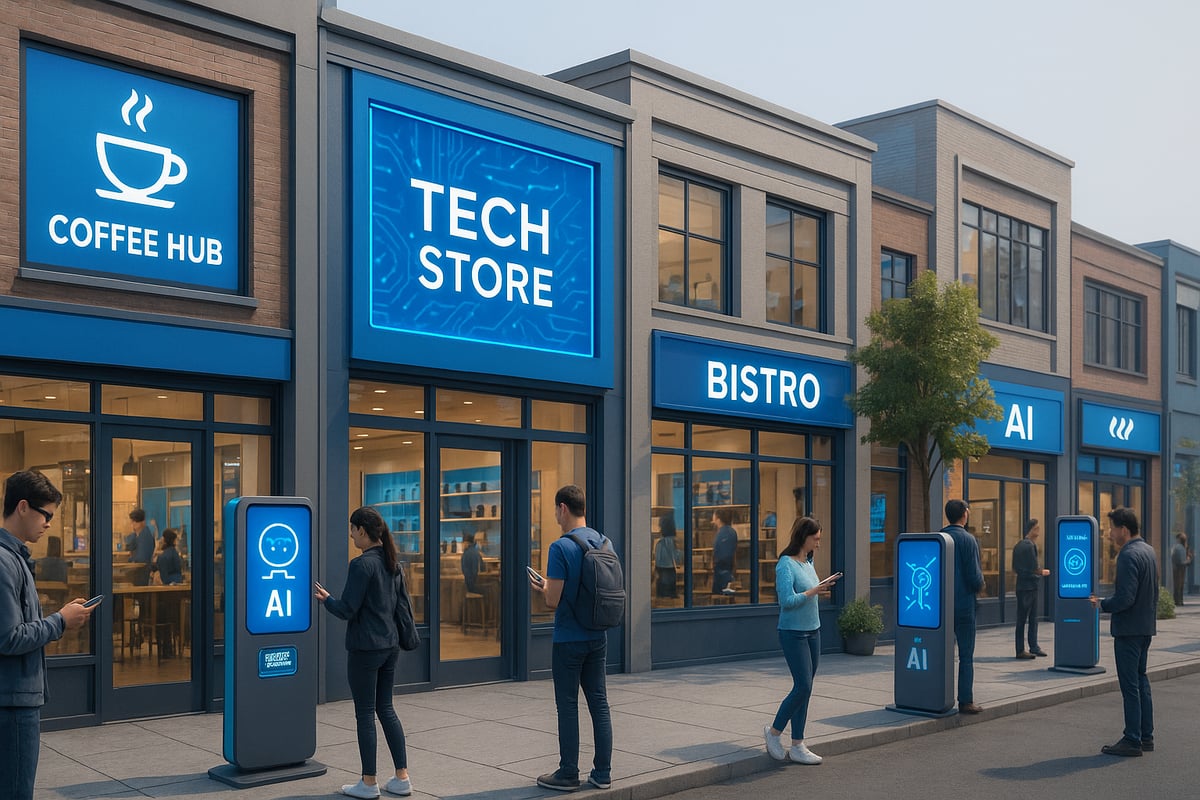
Is your business showing up when locals ask their phones, “Where’s the best coffee shop near me?” For 2026, local businesses marketing hinges on being discoverable through voice and local search.
Start by fully claiming and updating your Google Business Profile. Add fresh posts, high-quality photos, and respond to reviews. Use schema markup and sprinkle location-based keywords into your website content, helping you appear in “near me” and voice searches.
AI-powered tools can now automate your NAP (Name, Address, Phone) consistency across all directories. This ensures your information is always accurate, boosting trust and local search rankings. Don’t forget to regularly generate and manage reviews, as they’re a huge ranking factor.
For example, a San Mateo salon saw a 40% jump in bookings after optimizing their website for voice queries and using conversational keywords like “Where can I get a haircut nearby?” Remember, 46% of all Google searches are looking for local information.
Tips for 2026:
- Use FAQ pages with natural, conversational language
- Integrate with smart assistants (Alexa, Google Assistant)
- Monitor analytics for trending voice search terms
Keep your local businesses marketing future-ready by making voice search a central part of your SEO.
2. Build Strategic Local Partnerships & Cross-Promotions
You don’t have to go it alone. Smart local businesses marketing means teaming up with neighbors. Start by identifying complementary businesses. For instance, a coffee shop and a bookstore can launch a joint loyalty program or co-host events.
Cross-promote each other on social media, newsletters, or even through bundled offers. Collaborating with local influencers or micro-influencers can extend your reach to new audiences that already trust their recommendations.
A fitness studio and smoothie bar in one neighborhood co-hosted wellness weekends, resulting in a surge of mutual foot traffic. In fact, partnerships can boost your local audience reach by up to 30%.
How to Get Started:
- List potential partners and brainstorm win-win offers
- Formalize agreements to keep things clear
- Track joint campaign ROI to see what’s working
With this approach, your local businesses marketing will feel less like a solo act and more like a community movement.
3. Leverage Hyperlocal Social Media & Community Engagement
Want to reach people around the block? Hyperlocal social platforms are your new best friends. Platforms like Nextdoor and Facebook Groups let you target messages to specific neighborhoods, making your local businesses marketing super relevant.
Share stories about local events, customer milestones, or causes you support. Host live Q&As, behind-the-scenes videos, or fun community challenges. Encourage your customers to post and tag you, maybe with a discount for the best review or photo.
A bakery in Berkeley boosted Instagram engagement by 60% with a “Local Hero” spotlight series, featuring customers who gave back to the community. Seventy-one percent of consumers say they’re more likely to buy from brands that show up in their local community.
Tips for Engagement:
- Monitor local hashtags and trending topics
- Respond quickly to comments and messages
- Incentivize user-generated content
By connecting authentically, your local businesses marketing becomes a two-way conversation, not just a broadcast.
4. Invest in Localized Paid Advertising & Geofencing
How do you get in front of customers at the right place and time? Localized paid ads and geofencing are game changers for local businesses marketing in 2026. Run geo-targeted ads on Google, Facebook, and local media to reach people within a set radius of your location.
Use geofencing technology to send real-time offers to mobile users walking or driving near your store. Retarget website visitors with location-specific promotions, nudging them to visit in person.
A home services company used geofencing to target select neighborhoods, which led to a 25% increase in service calls. Eighty percent of local searches on mobile convert into sales, making this tactic a must.
Curious about ad budgets? Check out these Facebook ad budget tips for local campaigns to get the most ROI from your spend.
Best Practices:
- Test different creatives for each neighborhood
- Track performance with analytics and conversion tools
- Adjust bids and offers based on real-time data
This approach ensures your local businesses marketing dollars work harder and smarter.
5. Harness the Power of Online Reviews & Reputation Management
Online reviews can make or break local businesses marketing. In 2026, automated systems make it easy to request reviews right after a purchase or service.
Respond quickly and professionally to all reviews, both glowing and critical. Share your best reviews on your website and in-store signage. Use feedback to spot trends and train your team for better service.
A restaurant saw its Google rating climb from 3.8 to 4.5 in just six months by prioritizing review management. Since 93% of consumers say reviews influence their decisions, this is a high-impact strategy.
Review Management Checklist:
- Automate review requests via email or SMS
- Encourage photo and video reviews for extra credibility
- Thank reviewers and address issues promptly
This builds trust, an essential ingredient in successful local businesses marketing.
6. Create Value-Driven Local Content & Thought Leadership
Content is king, even for local businesses marketing. Create blog posts, guides, and videos focused on local interests or seasonal trends. Highlight stories about your customers, partners, or successful projects.
Host educational events or webinars on topics relevant to your area. Collaborate with local journalists or bloggers for guest content and interviews.
One hardware store launched a “DIY Home Improvement” video series, driving a 35% bump in local organic traffic. Businesses that blog see 55% more visitors.
Ways to Maximize Content:
- Repurpose blog posts for social media and newsletters
- Feature local experts in interviews
- Share customer success stories
Consistent, helpful content positions your business as a trusted local authority.
7. Embrace Automation & AI for Local Customer Experience
AI and automation are transforming local businesses marketing. Use chatbots to offer instant support and book appointments. Automate email and SMS campaigns to deliver personalized local offers and reminders.
Integrate a CRM to track what customers like and predict their needs. Predictive analytics help you stock the right inventory and plan staffing.
A dental clinic reduced no-shows by 22% using automated SMS reminders. Sixty-three percent of businesses using automation report faster revenue growth.
Tips for a Balanced Approach:
- Use automation for routine tasks, but keep a personal touch for relationship building
- Monitor customer feedback to refine automated processes
- Combine AI insights with human creativity
This balance keeps your local businesses marketing efficient and friendly.
8. Measure, Analyze, and Continuously Improve Local Marketing Efforts
If you’re not measuring, you’re guessing. Set clear KPIs for every local businesses marketing channel—traffic, leads, sales, and engagement.
Use Google Analytics, CRM dashboards, and heatmaps to see what’s working. Run regular A/B tests on your campaigns, offers, and messages to find the best performers. Collect direct feedback through surveys and follow-ups.
A boutique retailer doubled its conversion rates by analyzing data and refining offers. Businesses that track their marketing see a 20% higher ROI.
Quarterly Review Checklist:
| Metric | Tool Used | Action Step |
|---|---|---|
| Website Traffic | Google Analytics | Identify top sources |
| Lead Generation | CRM Dashboard | Follow up on hot leads |
| Conversion Rates | Heatmap Tool | Test new landing pages |
| Customer Feedback | Surveys | Adjust offers, improve CX |
Commit to regular reviews, and your local businesses marketing will keep evolving with your customers.
Integrating Offline and Online Strategies for Maximum Impact
Combining offline and online strategies is now essential for local businesses marketing. The days of relying solely on word-of-mouth or digital ads are over. In 2026, customers expect a seamless journey that blends both worlds, making every interaction count.
Blending Digital and In-Person Experiences
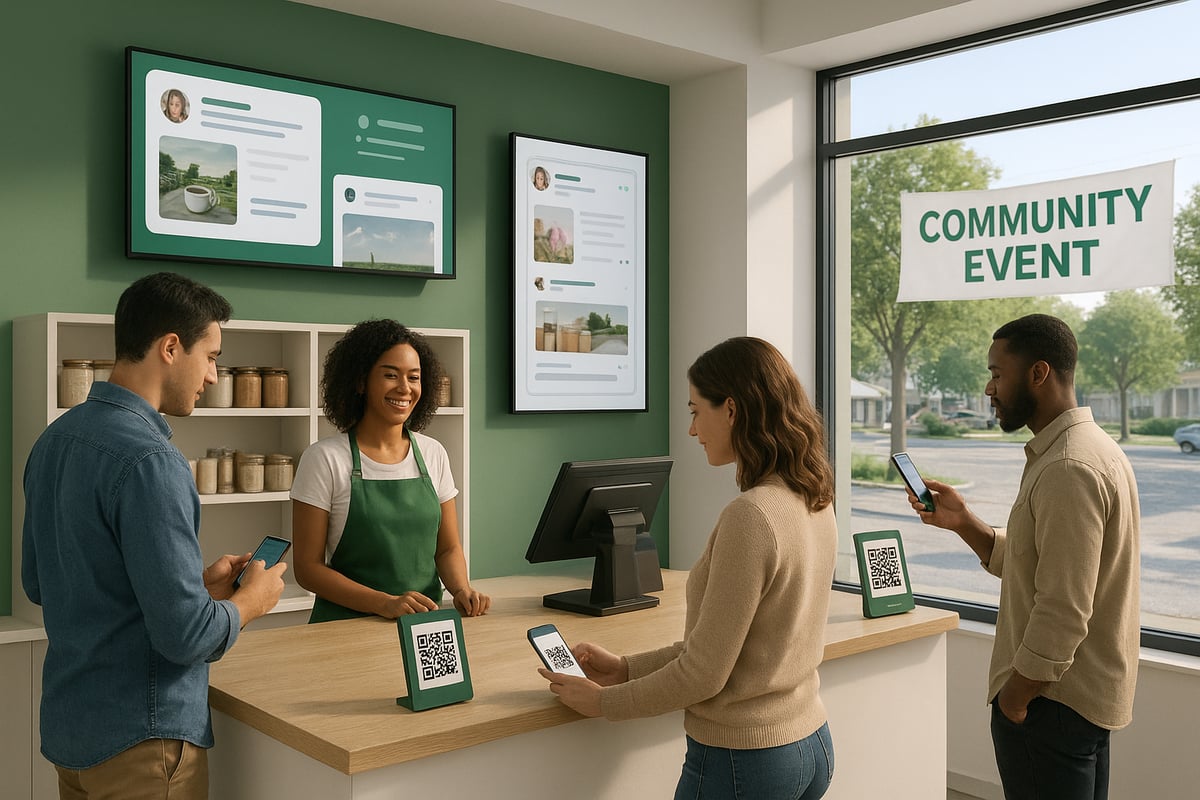
Imagine hosting a live event in your store, then promoting it through social platforms and email campaigns. This not only drives foot traffic but also keeps your online audience engaged. Many local businesses marketing plans now include QR codes linking to exclusive web discounts, or digital loyalty programs that reward both in-store and online purchases.
Pairing online ads with offline experiences works wonders. According to SFGate, 76% of consumers visit a local business after seeing an online ad combined with an in-person touchpoint. By leveraging digital marketing strategies built for 2026, you can create a cohesive customer journey that feels natural and memorable. For more ideas on how to align your digital and physical marketing, check out Digital Marketing Strategies for 2026.
Real-World Examples & Data
Let’s look at a florist who launched a “Click & Collect” campaign. By promoting in-store pickups through social media and email, they saw a spike in both walk-ins and online orders. Other businesses use QR codes on flyers or receipts to guide customers to online reviews or special offers.
| Tactic | Offline Element | Online Integration | Result |
|---|---|---|---|
| Click & Collect | In-store pickup | Social/email promotion | Increased orders and visits |
| QR code discounts | Printed materials | Mobile landing page | Higher coupon redemption |
| Loyalty program | Physical card | App or email syncing | Repeat purchases |
The beauty of local businesses marketing is in these small, interconnected moves. Each touchpoint builds trust and keeps your brand top of mind.
Community Engagement & Local Media
Want to stand out even more? Get involved with your community. Sponsor a local sports team or participate in neighborhood events, then amplify your involvement on social media. Appearing in local news or radio, and sharing those features online, boosts credibility.
When you connect with your audience in person and online, you create a web of touchpoints that reinforce your message. This approach not only grows awareness but also strengthens customer loyalty.
Actionable Integration Tips & Conclusion
Ready to maximize your local businesses marketing impact? Here are some steps to get started:
- Promote in-store events with targeted online ads.
- Use QR codes to bridge offline materials with online experiences.
- Sync loyalty programs across physical and digital channels.
- Track results and adapt your approach using analytics.
Remember, integrating these strategies is key to boosting conversion rates. For more on how to improve your results, see Improving conversion rates for small businesses. The most successful local businesses marketing efforts are those that connect every customer touchpoint, both online and off.
Future Trends: What’s Next for Local Business Marketing Beyond 2026?
Curious about where local businesses marketing is heading after 2026? The pace of change has never been faster, and if you want to keep your edge, it pays to look ahead. Let’s explore the trends that will shape the future of how you connect with your local audience.
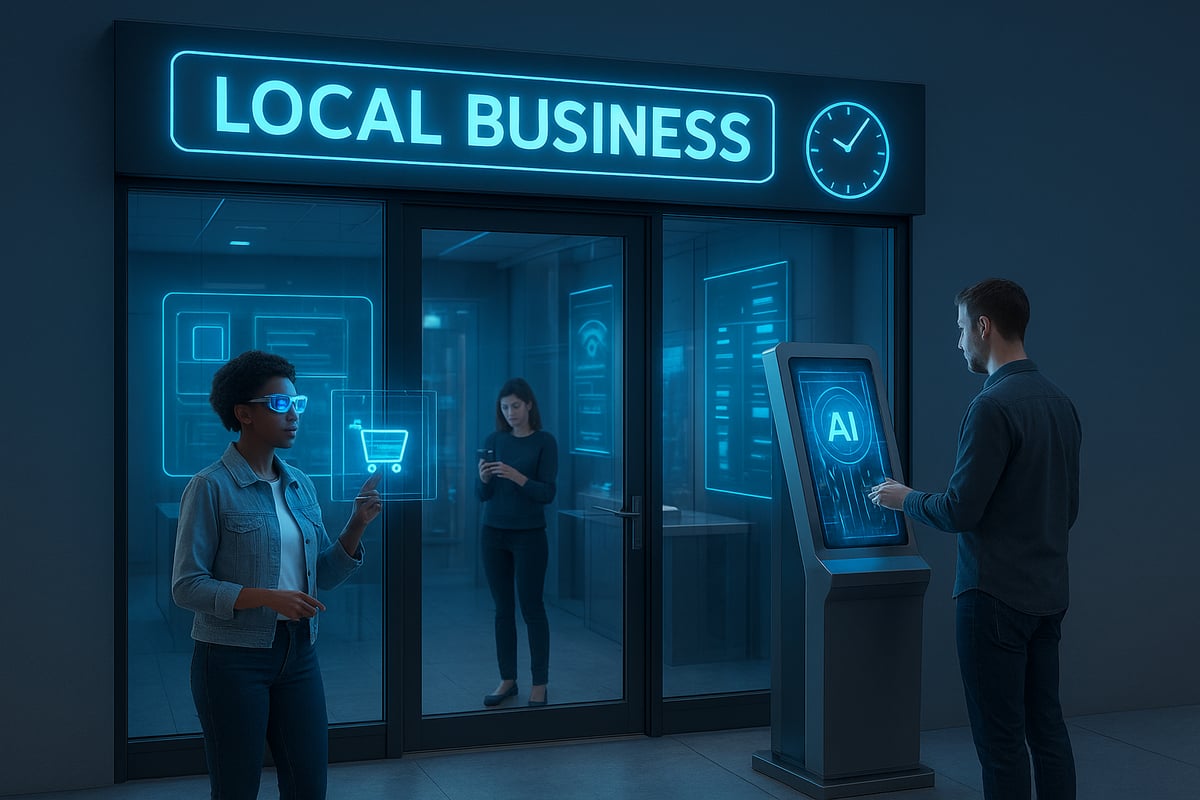
AI and Machine Learning: The Next Wave of Hyperlocal Targeting
Artificial intelligence is becoming the backbone of local businesses marketing, letting you personalize every interaction like never before. Imagine platforms that predict what your customers want before they even ask, or AI-driven tools that optimize your ads for each neighborhood in real time.
Machine learning will also make it easier to manage campaigns, automate customer service, and spot trends faster than your competitors. For a deeper dive into how AI and automation will impact your strategy, check out these small business marketing predictions for 2026.
Privacy, Data, and the Changing Rules of Engagement
With new privacy regulations and the decline of third-party cookies, collecting and using data responsibly is a must. First-party data collection — like loyalty programs, in-store interactions, and direct feedback — will become the foundation of local businesses marketing.
You’ll need to build trust by being transparent about how you use customer data, and by offering clear value in exchange for information. Expect tools that help you gather insights without crossing privacy lines, so you can keep personalizing without losing your customers’ confidence.
AR, VR, and Voice Commerce: Elevating the Shopping Experience
Picture this: your customers can preview a new haircut in augmented reality, tour your shop in virtual reality, or order a product using just their voice. These technologies are moving quickly from novelty to necessity in local businesses marketing.
Voice search and conversational marketing will keep growing, making it crucial to optimize for natural language queries and smart devices. Meanwhile, AR and VR experiences will help you stand out and give your customers something to talk about, both online and offline.
Community-Driven Commerce and Social Impact
The future of local businesses marketing is also about harnessing the power of your community. Crowdsourced products, local crowdfunding, and peer recommendations are becoming key drivers of loyalty and buzz.
Customers care deeply about sustainability and the impact of their purchases. Showcasing your eco-friendly practices or supporting local causes can set you apart. The more you invite your community to participate and share, the stronger your brand will become.
Staying Agile: Resources and Mindset for the Future
Adapting to these trends means staying curious and open to change. Regularly connect with local marketing groups, follow industry blogs, and invest in ongoing learning. The most successful businesses will be those who embrace new tools, test creative ideas, and listen closely to their customers.
In the fast-evolving world of local businesses marketing, agility is your best friend. Keep your finger on the pulse, and you’ll be ready for whatever comes next.
You’ve just seen how a handful of practical, future-proof strategies can help your local business not just keep up, but really shine in 2026 and beyond. It can feel overwhelming to decide where to start or how to make all these pieces fit your unique goals—trust me, I get it. But you don’t have to do it alone. If you’re ready to cut through the noise and focus on what actually drives growth, why not reach out? Let’s chat about your ambitions and put these strategies into action together. Let's grow your business
Article written using RankPill.


