
In 2026, the digital marketing world is more competitive than ever. Every brand seems to be locked in a race, trying to decide whether performance marketing seo or organic tactics will drive the best results.
With search engine algorithms shifting and paid ad costs rising, the pressure to pick the right strategy is at an all-time high. But the differences between these two approaches might surprise you—especially when it comes to timelines, risks, and the level of control you have.
This guide will break down the strengths, weaknesses, and future of performance marketing seo. You'll discover actionable insights and data-backed comparisons to help you make the smartest decision for your business.
Ready to find out which strategy is set to win in 2026? Let’s dive in.
Understanding Performance Marketing and SEO in 2026
The landscape of performance marketing seo is evolving rapidly in 2026. If you’re feeling overwhelmed by the jargon, shifting algorithms, and constant updates, you’re not alone. Let’s break down what these two powerhouse strategies really mean for your business so you can confidently choose the right path.
What is Performance Marketing?
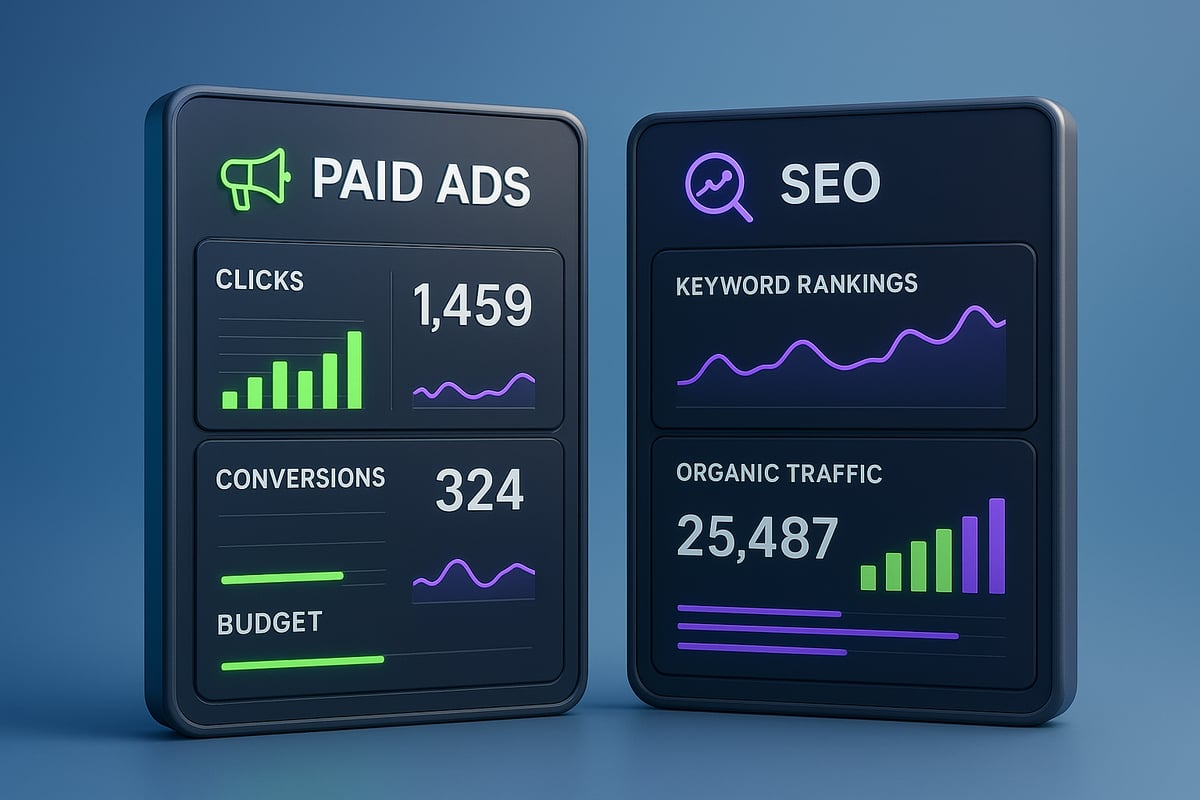
Performance marketing seo is a results-driven approach where advertisers only pay when specific actions are completed. These actions could be clicks, leads, sales, or any conversion you define. The main channels include:
- Paid search (SEM)
- Social media ads (think Meta, TikTok, LinkedIn)
- Display advertising
- Affiliate marketing
One major advantage of performance marketing seo is how quickly you can launch campaigns and see results. For B2B brands, LinkedIn ads are perfect for generating high-quality leads, while B2C and direct-to-consumer brands often thrive with Instagram or TikTok ads.
You get granular control over targeting, from demographics to behaviors. Budgets are flexible, allowing you to scale up or pause campaigns almost instantly. Industry forecasts predict performance marketing spend will hit record highs in 2026, as more brands chase measurable growth.
Of course, there are risks. Ad fatigue is real, cost per click keeps rising, and over-reliance on platforms can leave you vulnerable to sudden changes. If you’ve ever noticed your ad performance drop after a budget increase, you know how quickly things can shift.
What is SEO?
SEO, or search engine optimization, is the art and science of improving your website’s organic visibility on search engines like Google. Instead of paying for each click, you invest in tactics such as:
- Keyword research
- Content creation
- On-page and technical optimization
- Link building
Performance marketing seo strategies often include SEO as a foundational component, especially for long-term growth. Unlike paid campaigns, SEO is a slow burn. It can take months to see significant results, but the payoff compounds over time.
You don’t have total control, since search algorithms are always evolving. However, you do control your site’s content quality and user experience. Organic search remains a powerhouse, driving about 53% of all web traffic on average.
A classic example: a B2B SaaS company ranking for “best workflow automation tools” can generate leads for years from one well-optimized page. The main risks? Algorithm changes can shake up rankings overnight, and you’ll need patience as ROI builds slowly.
Key Differences and Overlaps
Let’s compare performance marketing seo with a side-by-side glance:
| Factor | Performance Marketing | SEO |
|---|---|---|
| Time to Results | Immediate | Long-term |
| Cost Structure | Pay per action | Upfront/content-based |
| Targeting | Direct, granular | Intent-driven |
| Sustainability | Stops when paused | Lasting visibility |
| Brand Trust | Lower, ad-labeled | Higher, organic |
Performance marketing seo delivers quick wins and precise targeting but stops the moment your budget runs out. SEO, on the other hand, builds sustainable growth and brand authority over time. Audiences tend to trust organic rankings more, which can be crucial for high-consideration purchases.
Many brands use both strategies. For example, you might retarget visitors who found you via SEO with a paid ad, or use your SEO keyword data to inform ad campaigns. In fact, according to SEO vs. PPC Statistics in 2025, 70% of marketers now blend both approaches for holistic growth.
Ultimately, performance marketing seo and SEO each bring unique strengths to the table, and understanding their interplay is key to your 2026 strategy.
Performance Marketing: Rapid Results and Measurable Growth
Performance marketing seo is the go-to strategy for brands looking to make an immediate impact in a crowded digital landscape. If you want results you can see, measure, and scale quickly, this approach is hard to beat. Let’s break down how it delivers speed, control, and measurable growth, along with the risks you should know about.
Speed and Scalability
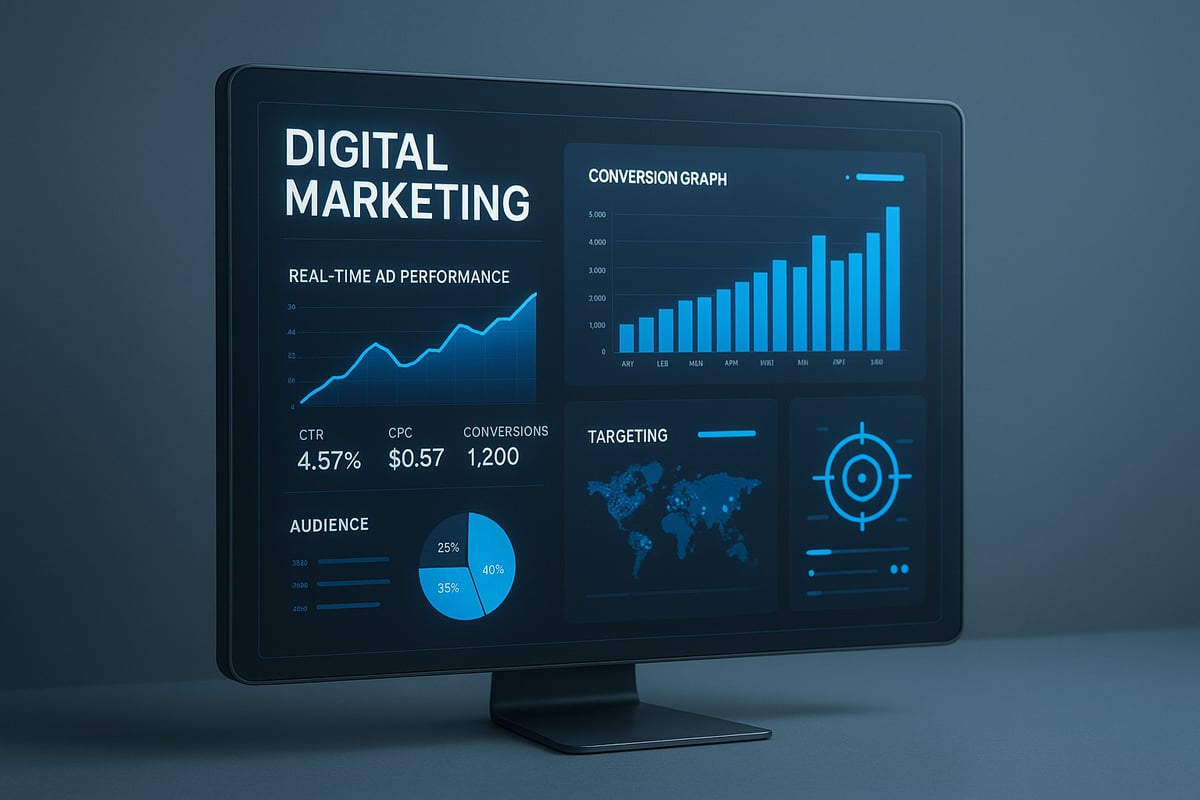
One of the biggest draws of performance marketing seo is its sheer speed. You can launch campaigns on platforms like Google Ads or Meta Ads in just a few clicks, and traffic starts rolling in within hours. Compare that to SEO, where you might wait months to see significant traction.
Scaling is also straightforward. If a campaign is working, you can simply increase your budget or expand your targeting. This flexibility means e-commerce brands can run flash sales, see immediate spikes in traffic, and adjust spend in real time.
Check out this quick comparison:
| Metric | Performance Marketing SEO | SEO |
|---|---|---|
| Time to Results | Days | Months |
| Scalability | High | Gradual |
| Pipeline Fill Speed | 200-300% faster | Slower |
Performance marketing seo is built for brands that want to test, learn, and grow on the fly.
Targeting and Personalization
With performance marketing seo, you get laser-focused targeting options. Want to reach a specific age group, location, or even job title? Platforms like LinkedIn and Facebook let you do just that.
Personalization is another big win. Dynamic ad creatives allow you to tailor messaging and offers in real time, so each user feels like you’re speaking directly to them. For example, a B2B SaaS company can target decision-makers by job title and serve them content that answers their pain points.
Here’s what makes targeting with performance marketing seo so effective:
- Demographics: Age, gender, income, location
- Interests and behaviors: Browsing habits, purchase intent
- Retargeting: Re-engage visitors who didn’t convert
The result? Higher relevance, more clicks, and better conversion rates.
Cost, ROI, and Attribution
Performance marketing seo is all about measurable outcomes. You only pay when users take a specific action, like clicking an ad or filling out a form. This pay-per-click or pay-per-conversion model keeps your budget focused on results.
Tracking ROI is simple. Analytics tools let you see exactly which campaigns drive leads, sales, or signups. ROAS (Return on Ad Spend) is the north star here. For example, if you spend $1,000 and make $4,000 in revenue, your ROAS is 4:1—a benchmark many brands strive for.
Want to measure the impact of a webinar signup campaign? With performance marketing seo, you can see cost-per-lead and optimize in real time.
- Easy attribution
- Transparent reporting
- Flexible budget allocation
This clarity is a major advantage for businesses with tight budgets or aggressive growth goals.
Risks and Limitations
Of course, performance marketing seo isn’t without pitfalls. Ad costs are rising as competition heats up, and dependency on platforms like Google or Meta can be risky if policies or algorithms shift.
Ad fatigue is real, too. Audiences can become blind to repetitive ads, leading to lower performance over time. Privacy changes, like cookie deprecation and iOS updates, can further complicate tracking and attribution.
For a deeper dive into these challenges, check out this analysis on understanding ad performance drops.
Common risks with performance marketing seo:
- Rising cost per click
- Sudden drop-off when campaigns pause
- Tracking hurdles from privacy updates
Being aware of these factors helps you plan smarter campaigns.
Best Use Cases for Performance Marketing
Performance marketing seo shines in scenarios where speed and flexibility matter most. Think product launches, limited-time promotions, or events that require immediate traction. Startups looking to validate their offering can benefit from rapid feedback and pipeline filling, while established brands use it for seasonal pushes or retargeting.
Some top use cases:
- Flash sales and holiday campaigns
- Lead generation in crowded markets
- B2B companies filling the pipeline while SEO efforts ramp up
- Testing new products or markets quickly
Pairing performance marketing seo with other strategies ensures you get both quick wins and a steady stream of leads.
SEO: Sustainable Authority and Organic Growth
Let’s be honest—if you’ve ever wondered how brands seem to pop up everywhere online, it’s not luck, it’s strategy. SEO is the engine behind sustainable visibility and authority, and in the face of the ongoing performance marketing seo debate, it’s often the long game that wins.
Building Long-Term Visibility
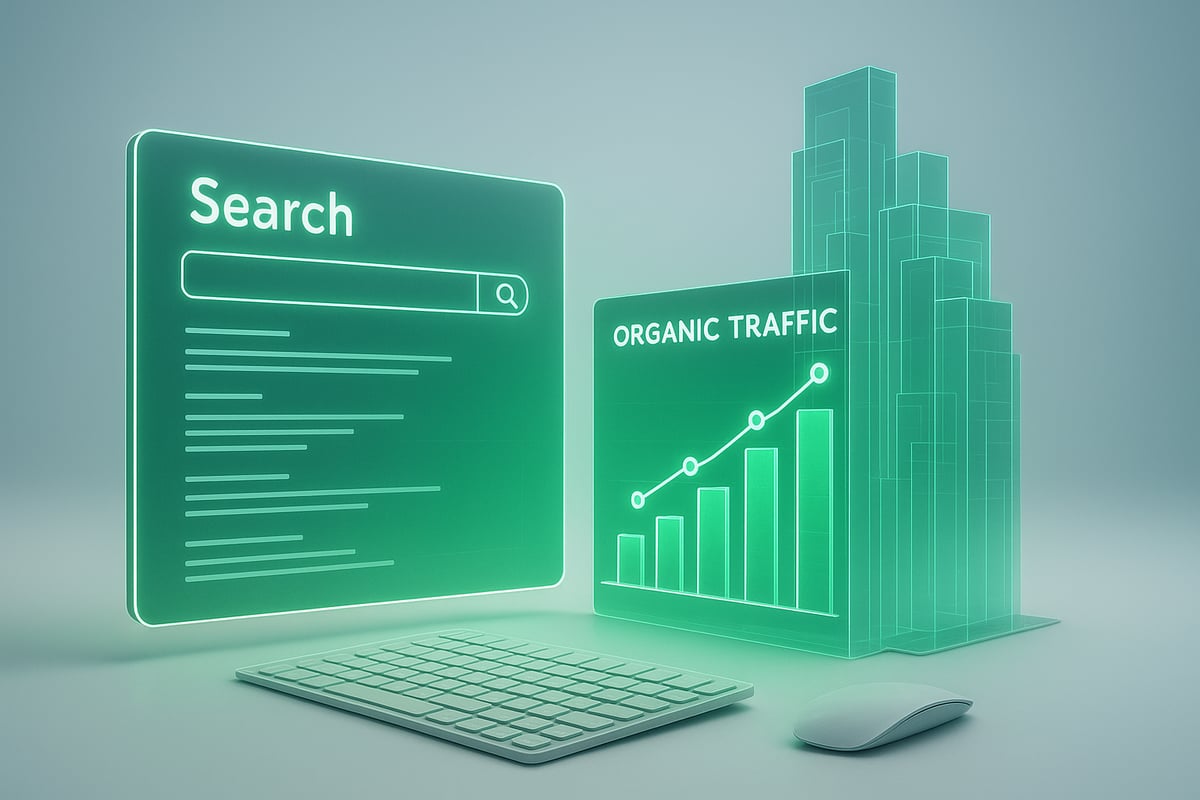
When you invest in SEO, you’re essentially planting seeds for future growth. Unlike paid campaigns that start and stop with your budget, SEO compounds over time, bringing in steady organic traffic as your rankings improve.
Evergreen content—think blog posts like “how to streamline supply chain reporting”—continues to attract leads months or even years after you hit publish. According to SEO Statistics All Marketers Should Know in 2025, organic search is responsible for over half of all web traffic, proving just how vital it is to the performance marketing seo conversation.
What’s more, 60% of marketers claim SEO delivers the best long-term ROI. If you’re looking for results that stick around, this approach is tough to beat.
Trust, Credibility, and Brand Authority
When was the last time you trusted an ad over a top-ranking search result? Most users don’t. In fact, studies show that 70 to 80 percent of people skip paid ads entirely and head straight to organic listings.
SEO builds authority through high-quality backlinks, citations from reputable sources, and consistently valuable content. If your site lands a featured snippet for “best project management software,” your credibility skyrockets in your industry.
Performance marketing seo strategies can drive quick wins, but SEO lays the foundation for thought leadership, helping your brand earn trust over time.
Cost and ROI Dynamics
Let’s talk numbers. SEO does require an upfront investment—content creation, technical optimization, and outreach all take time and money. However, once your foundation is set, ongoing costs are relatively low compared to paid ads.
The real kicker? ROI from SEO only gets better as your organic traffic grows. Your cost per acquisition drops, and you’re less reliant on fluctuating ad budgets. Take a SaaS company, for example: after ramping up SEO, they can often reduce paid ad spend as organic leads start rolling in.
Performance marketing seo approaches offer fast, measurable returns, but SEO’s compounding effect means your investment works harder for you in the long run.
Challenges and Algorithm Volatility
Of course, SEO isn’t all smooth sailing. Google updates its algorithm more than 5,000 times a year, and a single core update can shake up entire industries—especially in sensitive sectors like health or finance.
Staying ahead means constant optimization, technical fixes, and keeping your content fresh. If you’ve ever seen your rankings drop after an update, you know the importance of adaptability in your performance marketing seo playbook.
Still, while algorithm changes can be daunting, the skills and assets you build with SEO remain valuable and often recover faster than paid campaigns impacted by ad platform policy changes.
Best Use Cases for SEO
So, when should you lean into SEO? If your brand is aiming for sustainable, compounding growth, this is your lane. It’s perfect for building thought leadership, especially if you operate in a niche B2B market with a long sales cycle.
Local businesses can leverage Google Business Profiles, while SaaS and e-commerce companies benefit from ranking for high-value, evergreen keywords. For example, landing on page one for “enterprise payroll compliance” puts you right in front of decision-makers.
Performance marketing seo is invaluable for short-term goals, but SEO shines when you want to establish authority and drive ongoing results. The smartest brands use both, but never underestimate the staying power of a solid SEO strategy.
Cost, ROI, and Resource Comparison: Performance Marketing vs SEO
Choosing between performance marketing seo often comes down to dollars, data, and the resources you can commit. Let's break down how these strategies stack up in terms of budgeting, ROI, sustainability, and real-world results.
Budgeting and Resource Allocation
When you look at performance marketing seo, budgeting is often the first challenge. Performance marketing usually means a recurring ad spend, plus creative and management fees. SEO, by contrast, requires upfront investment in content, technical fixes, and link building.
Here's a quick table to compare:
| Cost Factor | Performance Marketing | SEO |
|---|---|---|
| Ongoing Spend | High (ad budget) | Low |
| Upfront Investment | Low | High |
| Resource Intensity | Creative, ads | Content, dev |
| Cost Predictability | High | Moderate |
Imagine spending $10,000 per month on ads versus a $10,000 retainer for SEO. The impact on your cash flow and team resources will be very different, so it's key to align your performance marketing seo budget with your business stage and goals.
Measuring ROI and Attribution
Measuring ROI is a hot topic with performance marketing seo. For paid campaigns, analytics platforms let you see conversions, cost per lead, and revenue in real time. SEO, however, often requires multi-touch attribution, and results may show up months later.
Direct attribution is easier with performance marketing seo, but organic wins can be harder to tie to a single action. According to SEO vs. PPC Statistics in 2025: Key Data-Driven Insights Revealed, many marketers report higher long-term ROI from SEO, but find it more complex to measure. Balancing both channels lets you track short-term wins and long-term growth.
Short-Term vs. Long-Term Value
With performance marketing seo, the value you get depends on your timeline. Paid ads deliver quick results and instant leads, but the moment you pause campaigns, the traffic stops. SEO, on the other hand, is a slow burn. You invest early, but as your rankings climb, traffic and leads keep coming, often at a lower cost per acquisition.
Here's a summary:
- Performance marketing seo: Fast pipeline, higher initial cost per lead, stops when budget ends.
- SEO: Slow ramp-up, lower cost per lead over time, keeps delivering value as long as you maintain your site.
If you need immediate traction, performance marketing seo is your best friend. For compounding value, SEO is the long game.
Risk and Sustainability
Every strategy has risks, and performance marketing seo is no exception. For paid ads, you're vulnerable to rising costs, platform changes, and even ad bans. When privacy laws shift or platforms tweak their policies, your campaigns can take a hit overnight.
SEO also faces its own challenges. Google algorithm updates can shake up your rankings, and you need to keep optimizing to stay competitive. However, performance marketing seo is generally less reliant on third-party platforms when it comes to SEO, making it a bit more resilient for the long haul.
Diversifying your approach can help you weather sudden changes, making your growth more sustainable.
Case Study Comparison
Let's look at how businesses actually use performance marketing seo in practice. Startups often launch with paid ads to get quick leads, then invest in SEO for steady, long-term traffic. Established B2B brands might rely on SEO as their lead engine, supplementing with performance marketing for special events or product launches.
Many companies blend both strategies, using performance marketing seo to maximize reach and ROI. This hybrid approach helps balance short-term needs with long-term growth, giving you the best of both worlds.
Integration: The Hybrid Approach for 2026 and Beyond
In 2026, the smartest digital marketers are no longer choosing sides in the performance marketing seo debate. Instead, they’re embracing integration, using both strategies together for maximum impact. Why? Because the modern landscape demands flexibility, speed, and authority — and a hybrid approach delivers all three.
Why Most Brands Combine Both Strategies
Have you noticed that more brands are blending performance marketing seo tactics than ever before? Over 70% of marketers now use both channels in tandem. The reason is simple: paid campaigns offer instant traffic and measurable results, while SEO builds long-term visibility and trust.
Relying on just one strategy can leave you vulnerable to sudden changes, like algorithm updates or rising ad costs. By combining both, you get the best of both worlds — quick wins and sustainable growth. Imagine running paid ads to test new product keywords, then doubling down on the winners with evergreen SEO content.
Building the Funnel: Paid + Organic
Let’s talk about the funnel. Performance marketing seo integration means you can reach users at every stage of their journey. At the top, paid ads create immediate awareness and drive targeted traffic. Further down, SEO content nurtures those visitors, offering in-depth resources and answers to their questions.
For example, a B2B brand might use LinkedIn ads to attract decision-makers, then guide them to a series of SEO-optimized guides or case studies. By retargeting organic visitors with display or social ads, you keep your brand top-of-mind and increase conversion opportunities.
Content as the Unifying Force
Here’s where things get really interesting: content is the glue that binds performance marketing seo together. High-quality, relevant content fuels both paid and organic channels. Landing pages can be optimized for search engines and designed to convert paid traffic.
Think of it as a two-way street. Your best-performing SEO articles can double as lead magnets in paid campaigns. Whitepapers and case studies, gated for lead generation, can rank for target keywords and drive ongoing organic leads. This synergy means every piece of content works harder for your business.
Cross-Channel Data and Optimization
What if you could make every marketing dollar work smarter, not harder? That’s the promise of performance marketing seo integration using cross-channel data. By analyzing which keywords drive organic conversions, you can refine your paid targeting. Meanwhile, paid campaign insights reveal which audiences and creatives resonate most, informing your SEO content strategy.
Tools like Google Analytics, SEMrush, and ad platform dashboards make it easy to track, test, and optimize across channels. The more you connect the dots between paid and organic, the more efficient your overall marketing machine becomes.
| Integration Benefit | Paid Search & Social | SEO Content |
|---|---|---|
| Quick wins | ✅ | ❌ |
| Long-term authority | ❌ | ✅ |
| Precise targeting | ✅ | ❌ |
| Compounding returns | ❌ | ✅ |
| Lower cost per lead | ❌ | ✅ (over time) |
Future Trends: AI, Privacy, and Automation
Looking ahead, performance marketing seo will only become more intertwined, thanks to AI and automation. AI tools now streamline everything from keyword research to bid management and creative testing. Predictive analytics help you spot trends and adjust campaigns before your competitors do.
Privacy changes, like cookie deprecation, are pushing brands to rely more on first-party data and organic channels. Automation frees up time, letting you focus on strategy instead of manual tasks. In 2026, staying agile and tech-savvy will be the new normal for hybrid marketers.
How Pretty Decent Marketing Bridges the Gap
If you’re ready to make performance marketing seo work together, Pretty Decent Marketing is built for you. Their team specializes in blending both strategies, crafting tailored plans that prioritize your unique goals and resources.
You get hands-on support for content creation, conversion optimization, and campaign management, all under one roof. Their Performance marketing services overview details how they help brands, creators, and small businesses achieve both quick wins and long-term authority. With Pretty Decent Marketing, you’ll have a practical partner to guide you through the ever-changing digital landscape, ensuring your integrated approach is both effective and sustainable.
Which Strategy Wins in 2026? Key Considerations for Your Business
Choosing between performance marketing seo strategies is not a one-size-fits-all decision. Your business model, target audience, and industry all play a role in what works best. For example, B2B companies often rely more on SEO to build trust over long sales cycles, while B2C or DTC brands might favor paid campaigns for quick wins.
Here is a quick comparison:
| Industry Type | Best Fit | Why? |
|---|---|---|
| B2B | SEO | Longer cycles, trust, education |
| B2C/DTC | Paid Ads | Fast traction, high volume |
| Local | Both | Visibility + immediate action |
Ask yourself: Does your business need fast results, or is building authority more important? This is where performance marketing seo choices become critical.
Industry and Business Model Fit
The fit between performance marketing seo and your business depends on your product, sales cycle, and customer journey. SaaS companies, for instance, benefit from SEO to attract decision-makers searching for solutions, while e-commerce brands often use paid ads for flash sales.
If you run a local service, blending both can maximize visibility and lead generation. For DTC, paid campaigns can deliver instant sales, but SEO builds a loyal customer base over time. Your choice should align with your business goals and industry best practices.
Budget, Timeline, and Resources
Budget and resource allocation play a huge part in your performance marketing seo approach. If you have a limited budget and need results fast, paid ads can put you in front of customers immediately. However, the cost per lead is typically higher, and results stop when spending does.
SEO needs upfront investment in content and optimization, but the payoff compounds over time. Startups might start with paid ads for traction, then shift resources to SEO for sustainable growth. Think carefully about your timeline and the resources you can commit.
Risk Tolerance and Market Volatility
How comfortable are you with change? Performance marketing seo both carry risks, but of different kinds. Paid ads are vulnerable to rising costs and policy changes on ad platforms, which can disrupt campaigns overnight.
SEO is more stable, but algorithm updates can cause unpredictable ranking shifts. A retailer hit by increasing ad costs might pivot to SEO, while an algorithm update could force a new content strategy. Blending both helps reduce risk and keeps your business adaptable.
Brand Positioning and Trust
Trust is a huge factor when choosing between performance marketing seo. Organic rankings are often seen as more credible, especially for high-consideration purchases like finance or healthcare. Paid ads are effective for new product launches or time-sensitive offers, where speed matters most.
For example, financial services brands often rely on SEO for credibility, while using paid ads to drive leads. Decide what matters more for your brand: instant visibility or long-term authority.
Data, Analytics, and Optimization
Measurement is everything in performance marketing seo. Setting up robust tracking lets you see what works and what needs improvement. Paid ads offer direct attribution, showing which clicks convert. SEO requires multi-touch models and patience, but can deliver higher ROI over time.
For a detailed look at conversion rates and ROI, check out SEO vs PPC: Real Results Compared [2025 Data & Stats]. Use data from both channels to refine your strategy and balance short-term wins with long-term growth.
2026 Predictions and Expert Insights
Looking ahead, performance marketing seo will become even more intertwined. AI will help blur the lines, automating campaigns and optimizing content for both paid and organic channels. Privacy changes will reward brands with strong organic presence, making SEO even more valuable.
Industry forecasts predict over 80 percent of high-growth brands will use integrated strategies by 2026. The best move? Evaluate your unique needs, stay flexible, and blend both approaches for resilience. Performance marketing seo is not about picking one side, but finding the right balance for your business.
So, after weighing the pros and cons of performance marketing and SEO in 2026, maybe you’re wondering which approach fits your business best—or whether you should be blending both for real growth. That’s the thing: there’s no one-size-fits-all answer, but you don’t have to figure it out alone. If you want a practical, results-driven strategy (without all the confusing fluff), why not chat with someone who’s been there before? Let’s talk through your goals, your market, and how to make your marketing actually work for you. Let's grow your business
Article written using RankPill.


