

In 2026, the difference between thriving and surviving in marketing comes down to one thing: results marketing. Gone are the days when you could rely on gut feelings or hope for the best. Today, brands, creators, and small businesses need proven strategies that deliver measurable growth, conversions, and ROI.
This guide is your roadmap to mastering results marketing in a digital world that never stands still. You’ll discover the latest strategies, essential tools, and real-world examples that show what actually works. Ready to turn your marketing efforts into real business wins? Let’s dive in and unlock your next level of success.
Understanding Results Marketing in 2026
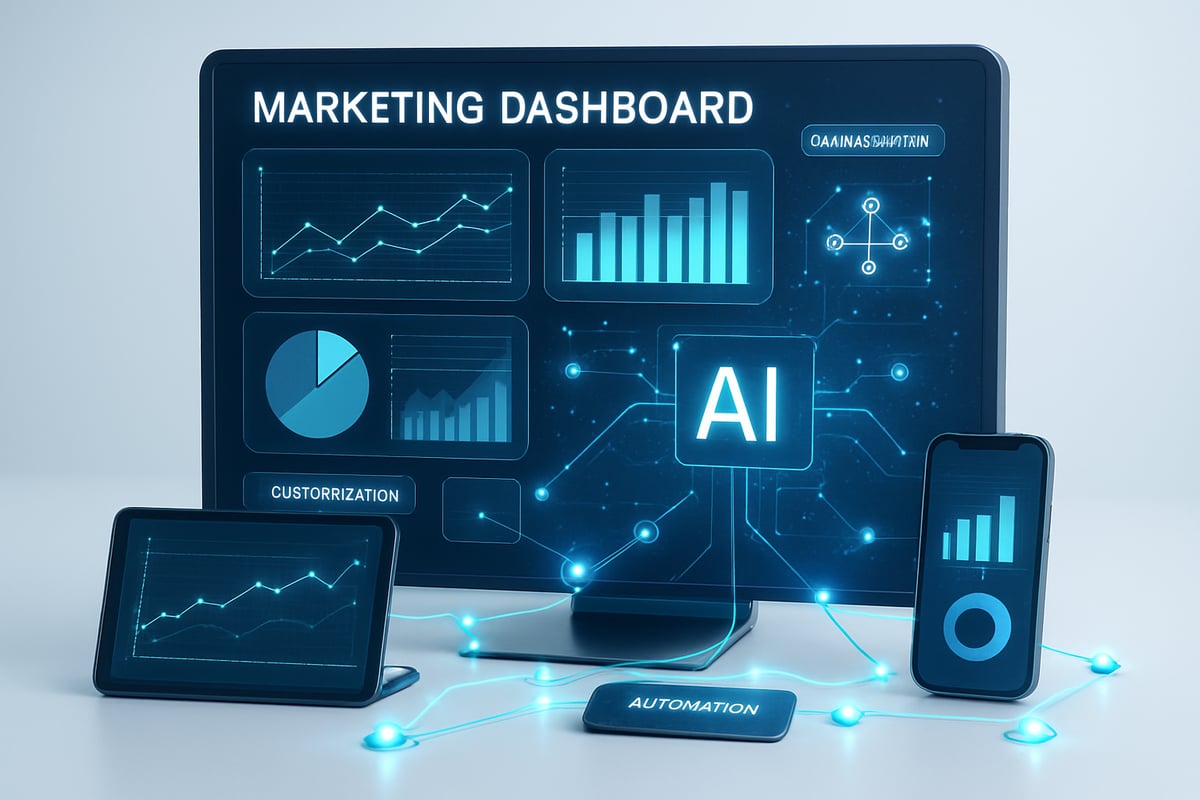
In 2026, results marketing is more than a buzzword—it’s the backbone of every successful digital strategy. So, what sets results marketing apart? At its core, it’s all about prioritizing measurable outcomes like leads, sales, and engagement, instead of chasing empty vanity metrics. If you’re looking to grow your business, you need to focus on what actually moves the needle.
What is Results Marketing?
You might be wondering, is results marketing just a fancy way to say “track your numbers?” Not quite. Results marketing means every campaign, channel, and tactic is designed around clear, trackable objectives. You’re not just hoping for likes or vague brand awareness—you’re setting targets for conversions, sales, and customer lifetime value.
The shift toward results marketing has been fueled by smarter technology and rising expectations. Brands now use AI-powered analytics to dig deep into data, revealing what’s working and what’s not. For instance, companies leveraging advanced analytics have been able to double their conversion rates by spotting and acting on high-performing trends in real time.
How Results Marketing Has Evolved for 2026
Over the past few years, results marketing has transformed with the rise of artificial intelligence, big data, and automation. In 2026, you can segment audiences down to micro-behaviors, automate personalized messages, and predict campaign outcomes before you even launch. Customers expect brands to know their preferences and respond instantly.
Transparency is another hallmark of modern results marketing. Every action, from ad spend to email engagement, is tracked and reported. This level of visibility gives marketers the power to make smarter decisions and pivot quickly if something isn’t working.
Curious about what’s driving this evolution? Emerging Marketing Trends for 2026 explores how AI, omnichannel strategies, and privacy-first approaches are shaping the future.
Core Principles Driving Results Marketing
Three big ideas sit at the heart of results marketing: customization, transparency, and ROI-driven tactics. Customization means delivering the right message to the right person at the right time, often with the help of dynamic content and real-time data. Transparency comes from clear reporting, so everyone knows what’s being spent and what’s being gained. And ROI-driven tactics keep the focus on actions that deliver measurable business impact.
For small businesses and creators, this approach is a game changer. Instead of spreading budgets thin, you can double down on what works—maximizing every dollar and hour you invest.
Results Marketing vs. Traditional Marketing
Let’s talk about how results marketing differs from the old way of doing things. Traditional marketing relied heavily on broad campaigns, gut instincts, and slow feedback loops. Results marketing is data-driven, allowing for rapid iteration and constant optimization. You’re held accountable for performance, so every decision is backed by data, not just intuition.
With access to real-time dashboards, marketers can pivot campaigns on the fly. If a message isn’t resonating, you can test alternatives and adjust within hours, not weeks.
Trends and Real-World Impact in 2026
In 2026, results marketing is defined by several key trends:
- Hyper-personalization across channels
- Automation for efficient campaign management
- Omnichannel integration, so customers get a seamless experience wherever they interact
- Privacy-first strategies, respecting evolving data regulations
According to Statista (2025), 76% of marketers now prioritize ROI as their main campaign KPI. Brands that embrace results marketing and leverage AI-powered analytics are seeing conversion rates soar. The bottom line? Results marketing isn’t just a trend—it’s the essential playbook for brands, creators, and small businesses aiming to thrive in the digital age.
Setting the Foundation: Goals, Audience, and KPIs
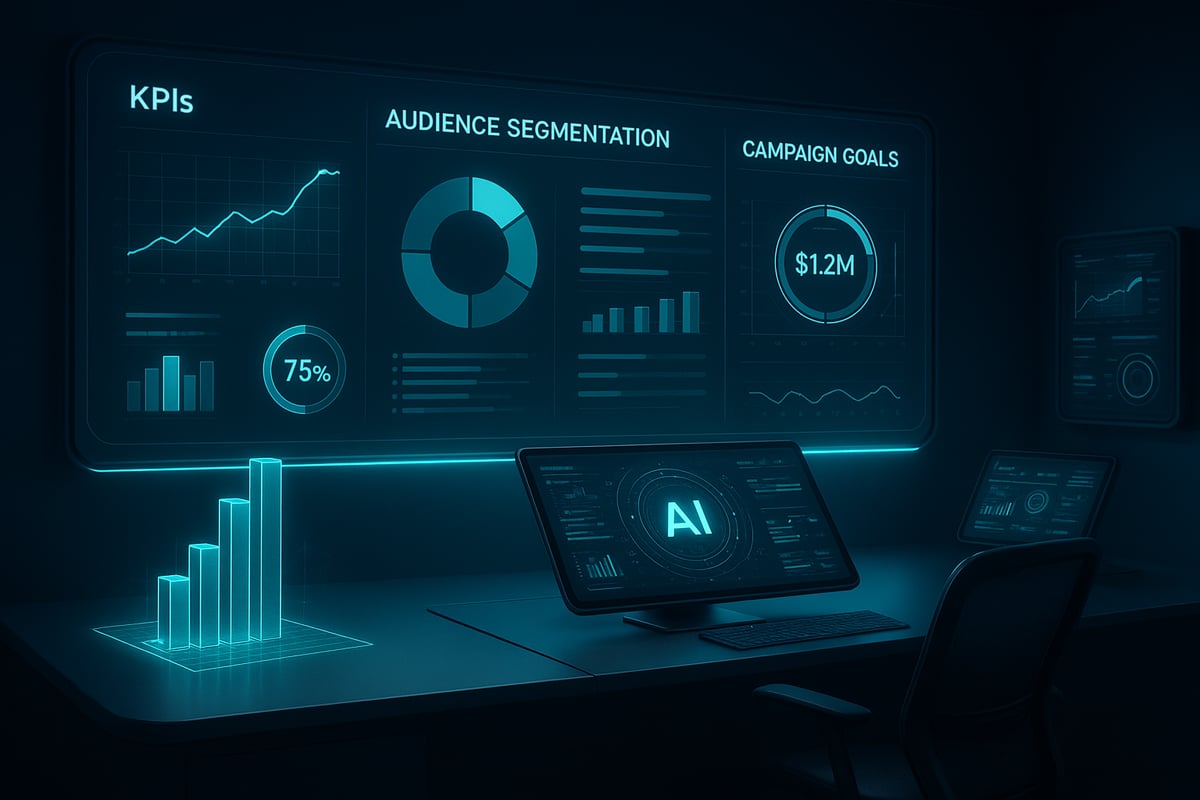
Starting your results marketing journey in 2026 is a bit like building a house. You need a solid blueprint before you start laying bricks. That means setting crystal-clear goals, truly understanding your audience, and picking the right KPIs to track your success. Let’s break down each building block so you can create a foundation built for measurable growth.
Defining Clear Marketing Goals
Do you know exactly what you want your results marketing to achieve? If not, it’s time to get specific. SMART goals—Specific, Measurable, Achievable, Relevant, and Time-bound—bring structure to your ambitions. Instead of saying, “I want more leads,” you might say, “Increase qualified leads by 30 percent in six months.” See the difference?
Brands that use SMART goals for their results marketing efforts are three times more likely to see positive ROI. When you align your marketing goals with business objectives, like boosting retention or growing revenue, every campaign becomes a step toward bigger wins.
Watch out for vague goals. They can waste your budget and leave your team directionless. Remember, results marketing thrives on clarity and focus. Set targets that everyone can rally behind, and you’ll know exactly what success looks like.
Knowing Your Audience in 2026
Getting to know your audience is the heart of results marketing. In 2026, this means going way beyond basic demographics. AI and big data tools let you create dynamic buyer personas that actually evolve with your market.
You can gather insights from social listening, CRM platforms, and analytics dashboards. Imagine a B2B company using intent data to zero in on high-value prospects—the kind of precision that turns campaigns into conversion machines.
Advanced segmentation is key. In fact, 80 percent of effective campaigns use these tactics. The more you understand your audience, the better you can personalize your results marketing, making every message feel like it was made just for them.
Selecting the Right KPIs and Metrics
Choosing the right KPIs is where results marketing gets real. Not all metrics are created equal. You want to focus on actionable data—think customer acquisition cost, lifetime value, conversion rate, and NPS. Real-time analytics and dashboard tools make it easy to track progress and pivot when needed.
Here’s a quick table of common KPIs for results marketing:
| KPI | Why It Matters |
|---|---|
| Conversion Rate | Measures campaign effectiveness |
| CAC (Cost per Acquisition) | Tracks spend efficiency |
| LTV (Lifetime Value) | Shows customer value over time |
| NPS (Net Promoter Score) | Gauges customer loyalty |
Avoid vanity metrics that don’t move the needle. Top performers in 2026 are tracking metrics like cohort retention and repeat purchase rates. For a deeper dive into why conversion rates matter for results marketing, check out this Understanding conversion rates guide.
With 68 percent of marketers using real-time dashboards, you can optimize campaigns on the fly. The right KPIs ensure your results marketing stays laser-focused on what really drives growth.
Core Results Marketing Strategies for 2026
In 2026, results marketing is all about smart strategy, creative execution, and data-driven decisions. You want to know what really works, right? Let’s break down the core approaches that are setting brands apart and driving measurable growth.

Content That Converts: Modern Content Marketing
Content is still king in results marketing, but the throne looks different now. In 2026, you need to craft high-value, actionable content for every stage of the funnel. That means educational blog posts for awareness, interactive tools for consideration, and personalized product demos for decision.
Video is everywhere. Short, snackable clips drive engagement on social, while longer explainer videos nurture trust. Interactive media, like quizzes or calculators, pull visitors deeper into your funnel. AI-generated content lets you scale up production without losing quality, so you can test headlines, calls-to-action, and even entire landing pages instantly.
Personalization is the secret sauce. Imagine dynamic landing pages that change based on your visitor’s interests or segmented email campaigns that speak directly to each buyer persona. A SaaS brand recently used interactive demos and saw signups jump by 40 percent. It’s no wonder 72 percent of buyers now engage only with personalized content.
Want a quick comparison? Check out this table:
| Content Type | Funnel Stage | Result |
|---|---|---|
| Blog Post | Awareness | Drives traffic |
| Interactive Demo | Consideration | Boosts signups |
| Personalized Email | Decision | Increases conversion |
The bottom line: Modern content marketing is your results marketing engine. If you’re not personalizing and experimenting, you’re leaving growth on the table.
Omnichannel Campaigns: Integrating Digital Touchpoints
Think about the last time you bought something online. Chances are, you saw an ad on Instagram, got a reminder email, maybe even a text message, and finally made the purchase in an app or store. That’s results marketing in action, powered by omnichannel integration.
In 2026, the lines between channels are blurred. Your web, email, social, SMS, and even offline campaigns must work in harmony. Consistent messaging and branding build trust, while automation ensures your audience gets the right message at the right time.
Let’s say a retailer uses geo-targeted mobile ads to drive people into stores. They follow up with personalized offers via email and SMS based on past purchases. The result? In-store visits and conversions climb. Omnichannel strategies now yield 23 percent higher conversion rates than single-channel efforts.
Here’s how you can start:
- Map your customer journey across every channel.
- Use automation to trigger timely follow-ups.
- Monitor touchpoints to ensure seamless transitions.
Results marketing thrives on omnichannel synergy. If your channels aren’t connected, you’re missing out on valuable conversions and long-term loyalty.
Data-Driven Decision Making & Rapid Experimentation
If you love testing and tweaking, you’ll thrive with data-driven results marketing. In 2026, every decision should be backed by real numbers, not gut feelings. Start with A/B or multivariate testing for your ads, emails, and landing pages. This lets you see what resonates and what needs to change.
Predictive analytics tools now help you plan campaigns by forecasting which messages or offers will perform best. Real-time dashboards let you pivot instantly, so you can stop wasting budget on underperforming tactics.
A direct-to-consumer brand recently iterated its ad creative weekly and lowered its cost per acquisition by 15 percent. Why? Because they watched the data and acted fast. In fact, 64 percent of marketers now report faster campaign pivots thanks to AI analytics.
Try this code snippet to set up a basic A/B test in your email platform:
if open_rate_a > open_rate_b:
    send_version = 'A'
else:
    send_version = 'B'
With results marketing, the faster you learn, the faster you grow.
Performance Marketing & Paid Media in 2026
Paid media is evolving at lightning speed. In 2026, results marketing means using smarter PPC, paid social, and programmatic tactics. Attribution modeling is crucial — multi-touch attribution helps you see the full customer journey, not just the last click.
Budget allocation is now a dynamic process. You’ll want to shift spend toward channels that deliver the best ROI. For example, startups are moving budgets from Facebook to TikTok after seeing double the return. And with 59 percent of digital ad spend now using AI-driven bidding, automation is your friend.
For a deeper dive into maximizing your paid media results, check out these performance marketing and SEO insights.
In summary, results marketing in 2026 is powered by creative content, seamless omnichannel experiences, relentless testing, and smart paid strategies. If you embrace these tactics, you’ll turn your marketing from guesswork into a growth engine.
Step-by-Step: Launching a Results-Driven Marketing Campaign
Ready to put results marketing into action? Let’s break down exactly how to launch a campaign that’s built for measurable success in 2026. This step-by-step guide will help you move from strategy to execution and beyond, all while staying focused on outcomes that drive growth.

Step 1: Research & Planning
Every effective results marketing campaign starts with research. Dig into your market landscape using AI-powered tools to analyze competitors, spot trends, and find gaps your brand can fill. This is where you define your campaign objectives—are you aiming for more leads, higher sales, or stronger engagement?
Set clear timelines and establish your budget upfront. Use platforms like SEMrush or Similarweb for competitive keyword analysis and to uncover opportunities. The planning stage ensures your results marketing efforts are aligned with your business goals, giving you a roadmap to follow.
Step 2: Creative Development & Personalization
Next, it’s time to craft messaging and assets that connect. Creative development in results marketing goes beyond catchy slogans. It involves building content that speaks directly to your segmented audiences. Use dynamic content, personalized visuals, and targeted offers for each group.
Personalization is key—think custom email subject lines, dynamic landing pages, and retargeting ads. If you want to level up your email campaigns, check out these email marketing best practices for actionable tips. Personalization can increase open rates and engagement, which are core drivers of results marketing success.
Step 3: Multi-Channel Execution
Now, bring your campaign to life across every relevant channel. Results marketing thrives on coordinated launches that span paid, owned, and earned media. Schedule posts, automate email sends, and set up social ads so your message lands at the right moment.
Consistency is vital. Make sure your brand voice and visuals match on Instagram, YouTube, email, and even SMS. Automation platforms can help you manage timing and frequency without missing a beat. A well-executed multi-channel push often leads to higher engagement and better conversions—a hallmark of results marketing done right.
- Launch simultaneously across platforms for maximum impact
- Use unified messaging to reinforce your offer
- Monitor each channel’s performance closely
Step 4: Measurement, Tracking & Optimization
You can’t improve what you don’t measure. Set up real-time analytics and conversion tracking from day one. Focus on KPIs that matter for results marketing, such as conversion rates, customer acquisition cost, and lifetime value.
Here’s a simple table to help you keep track:
| KPI | What It Measures | Why It Matters |
|---|---|---|
| Conversion Rate | % of visitors who convert | Indicates campaign effectiveness |
| CAC | Cost to acquire a customer | Helps manage budget |
| LTV | Value per customer | Guides long-term strategy |
Monitor your dashboards daily or weekly and set alerts for underperforming ads or landing pages. Use A/B testing to refine creative assets and offers. Iterative improvements are the backbone of results marketing optimization, helping you boost ROI with every tweak.
Step 5: Scaling What Works
Once you spot what’s working, it’s time to scale. Results marketing is about doubling down on proven tactics. Identify your top-performing channels, creatives, and audience segments.
Increase your investment where you see the best ROI. Expand your reach by targeting lookalike audiences or exploring new platforms with similar demographics. The key is to remain agile—shift resources quickly to capitalize on momentum. Scaling is not just about spending more; it’s about amplifying what delivers results.
Step 6: Post-Campaign Analysis & Learnings
After your campaign wraps, gather your team for a debrief. Analyze performance data, celebrate wins, and discuss what didn’t go as planned. Document insights and actionable takeaways to fuel your next results marketing initiative.
Ask yourself: Which tactics drove the most conversions? Where did you see unexpected drops? Use this feedback loop to refine your strategy, adjust KPIs, and set the stage for even greater success next time. Continuous learning is the secret ingredient that keeps your results marketing campaigns ahead of the curve.
Essential Tools & Technologies for Results Marketing
Navigating results marketing in 2026 is all about using the right tools to turn data into action. With tech evolving at lightning speed, your toolkit can make or break your marketing results. If you want to stay ahead, knowing which platforms and technologies deliver the most value is crucial.
AI-Powered Analytics Platforms
AI analytics are at the core of results marketing. Tools like Google Analytics 4 and Tableau crunch massive datasets in real time, helping you spot trends, track conversions, and predict campaign outcomes. AI can even suggest optimizations on the fly. Want to learn how AI is reshaping customer journeys and content strategies? Check out AI's Role in 2026 Marketing Strategies for a deeper dive.
Marketing Automation Suites
Efficiency is everything in results marketing. Platforms like HubSpot and Marketo let you automate email campaigns, manage leads, and personalize messaging at scale. Automation frees your team to focus on strategy, not repetitive tasks. Plus, you can score leads and trigger timely follow-ups, driving higher engagement.
Customer Data Platforms (CDPs)
CDPs unify data from every touchpoint, giving you a 360-degree view of each customer. This clarity is a game-changer for results marketing, allowing for hyper-personalized campaigns and smarter segmentation. With a single source of truth, you can make faster, more informed decisions.
Conversion Rate Optimization (CRO) Tools
CRO tools help you squeeze more value from every visit. Whether you use dedicated platforms or built-in website features, these tools let you test landing pages, tweak CTAs, and optimize flows. Small changes can lead to big leaps in results marketing outcomes.
Attribution and Reporting Software
Attribution tools track how each channel and touchpoint contributes to conversions. This end-to-end visibility is essential for results marketing, letting you double down on what works and cut what's not. Custom dashboards make it easy to monitor KPIs and adjust in real time.
Social Listening and Sentiment Analysis
Social listening tools scan the digital landscape for brand mentions, trends, and sentiment shifts. By keeping a pulse on conversations, you can respond faster, refine messaging, and spot new opportunities for results marketing.
Real-World Example: AI Chatbots
Imagine using an AI chatbot to answer questions, capture leads, and qualify prospects 24/7. Many brands report a 25% increase in lead capture after adding chatbots to their results marketing stack. These bots handle FAQs, schedule demos, and even nurture leads automatically.
Martech Toolbox: Quick Reference
| Tool Category | Top Platforms | Value for Results Marketing |
|---|---|---|
| AI Analytics | GA4, Tableau | Real-time insights, predictions |
| Marketing Automation | HubSpot, Marketo | Campaign efficiency, personalization |
| CDPs | Segment, BlueConic | Unified customer view, segmentation |
| CRO | Optimizely, VWO | Higher conversions, A/B testing |
| Attribution/Reporting | Bizible, Looker | ROI tracking, performance clarity |
| Social Listening | Brandwatch, Sprout | Trend spotting, sentiment analysis |
The Martech Investment Boom
According to Gartner, 78% of marketers plan to increase their investment in martech in 2026. This surge is a direct response to the growing demand for results marketing, as brands seek every edge in a competitive landscape.
Adopting the right tools is the foundation of results marketing success. With these platforms, you can track, optimize, and scale every campaign with confidence.
Real-World Examples: Results Marketing Success Stories
When it comes to results marketing, nothing beats seeing strategies play out in the real world. Let’s walk through how brands, B2B companies, and local businesses are driving growth with data-driven marketing. These stories show how results marketing can fuel tangible success, no matter your business size or industry.
E-commerce Brand: Doubling ROI with Omnichannel Integration
A fast-growing e-commerce retailer set out to overhaul their results marketing approach in 2026. By unifying customer data and coordinating campaigns across email, social, and paid media, they delivered consistent messaging at every touchpoint. They also leveraged AI-powered analytics to identify high-performing segments, allowing for hyper-personalized offers. The result? A 60% jump in ROI and a 35% increase in repeat purchases, all thanks to a holistic, results marketing mindset. This proves how omnichannel strategies can unlock hidden growth.
B2B Company: Accelerating Sales with AI and Intent Data
A B2B tech provider faced long sales cycles and needed more qualified leads. They embraced results marketing by integrating AI-driven intent data and predictive analytics into their pipeline. By analyzing buyer behaviors and signals, their marketing team targeted accounts with the highest purchase intent. Personalized content and automated outreach followed, shortening the sales cycle by 40%. For a deeper dive into how AI is transforming strategy and creative production, check out AI's Impact on Marketing in 2026. The key was using real-time insights to focus energy where it mattered most.
Local Business: Tripling Foot Traffic with Geo-Fenced Mobile Ads
A neighborhood café wanted to boost in-store visits amid rising competition. Their results marketing campaign used geo-fenced mobile ads, targeting users within a one-mile radius during peak hours. By combining location-based offers with SMS reminders and loyalty rewards, they tripled foot traffic in just two months. If you’re looking for more actionable ideas tailored to small businesses, you’ll find inspiration in Marketing strategies for small brands. This case shows that results marketing works at every scale, especially when campaigns are highly targeted.
Lessons Learned: What Drives Results Marketing Success
- Data-driven decisions outperform gut instinct every time.
- Personalization and automation increase engagement and ROI.
- Rapid iteration and learning from campaign data are essential.
- Consistency across channels delivers better results.
In fact, 81% of top-performing campaigns attribute their wins to data-driven strategies, while brands that consistently iterate see the most lasting gains.
Results marketing is not just a trend, it’s the proven path to measurable growth in 2026. Whether you’re a global retailer or a local shop, using results marketing principles will help you turn every campaign into a success story.
Future-Proofing Your Results Marketing Strategy
Staying ahead in results marketing means preparing for tomorrow’s challenges today. In 2026, the landscape is shifting faster than ever, pushing brands, creators, and small businesses to rethink their strategies. How can you make sure your approach stays effective and relevant as new privacy rules, data changes, and tech trends reshape the field?
Navigating Evolving Privacy Regulations
Privacy is now at the core of every results marketing decision. Regulations like GDPR and CCPA are only the beginning. New frameworks are appearing globally, forcing you to rethink how you collect, store, and use customer data.
What does this mean for your marketing? You’ll need transparent consent practices, clear opt-in processes, and a strong understanding of compliance requirements. Regular audits and updated privacy policies are essential. Brands that respect privacy build trust, which fuels long-term results marketing success.
- Stay updated on global regulations
- Review data collection and consent practices
- Train your team on compliance basics
Winning with First-Party Data in a Cookieless World
Third-party cookies are disappearing. The future of results marketing relies on first-party data—the information you collect directly from your audience. This shift is a chance to build deeper, more authentic relationships.
Start by encouraging newsletter sign-ups, loyalty programs, and interactive content that invites users to share preferences. Use secure, privacy-friendly tools to manage and segment this data. The more you know your audience through first-party insights, the more effective your results marketing campaigns become.
| Data Source | Control Level | Privacy Risk | Example Use |
|---|---|---|---|
| First-party data | High | Low | Email lists, CRM |
| Second-party data | Medium | Medium | Partnered campaigns |
| Third-party data | Low | High | Purchased segments |
Embracing Emerging Channels and Technologies
Are you tapping into the latest channels? Results marketing in 2026 includes more than just social and search. Augmented reality (AR), virtual reality (VR), voice search, and Web3 platforms are opening new doors for engagement.
Experiment with interactive AR product demos, branded VR experiences, or voice-activated ads. Track performance closely, and don’t be afraid to pivot if an emerging channel delivers better ROI. Brands that explore these frontiers early often gain a competitive edge in results marketing.
Agility, Learning, and the Power of AI
The pace of change is relentless. To keep your results marketing strategy future-proof, you need an agile mindset and a commitment to continuous learning. Build teams that adapt quickly, test new ideas, and embrace feedback.
AI is a game-changer here. From predictive analytics to AI-powered creative tools, automation can help you respond to market shifts almost instantly. For deeper insights on how AI is transforming customer journeys, content creation, and analytics, check out this AI Integration in Marketing Processes report. Remember, 69% of marketers say agility is the key to future results marketing success.
Future-proofing isn’t a one-time project. It’s an ongoing mindset. The brands that thrive are the ones that anticipate, adapt, and never stop learning.
So, after diving into these results-focused strategies for 2026, you might be wondering—how do you actually put all this into action for your own brand or business? That’s where it gets exciting. You don’t have to tackle this alone, and you definitely don’t have to settle for cookie-cutter marketing that doesn’t move the needle. At Pretty Decent Marketing, we’re all about making growth simple, practical, and tailored just for you. If you’re ready to turn insights into real results and see what a flexible, no-nonsense approach can do, Let's grow your business.


